A practical guide to venue checks, airport trips, online payment risks and why game rankings cannot predict a result.
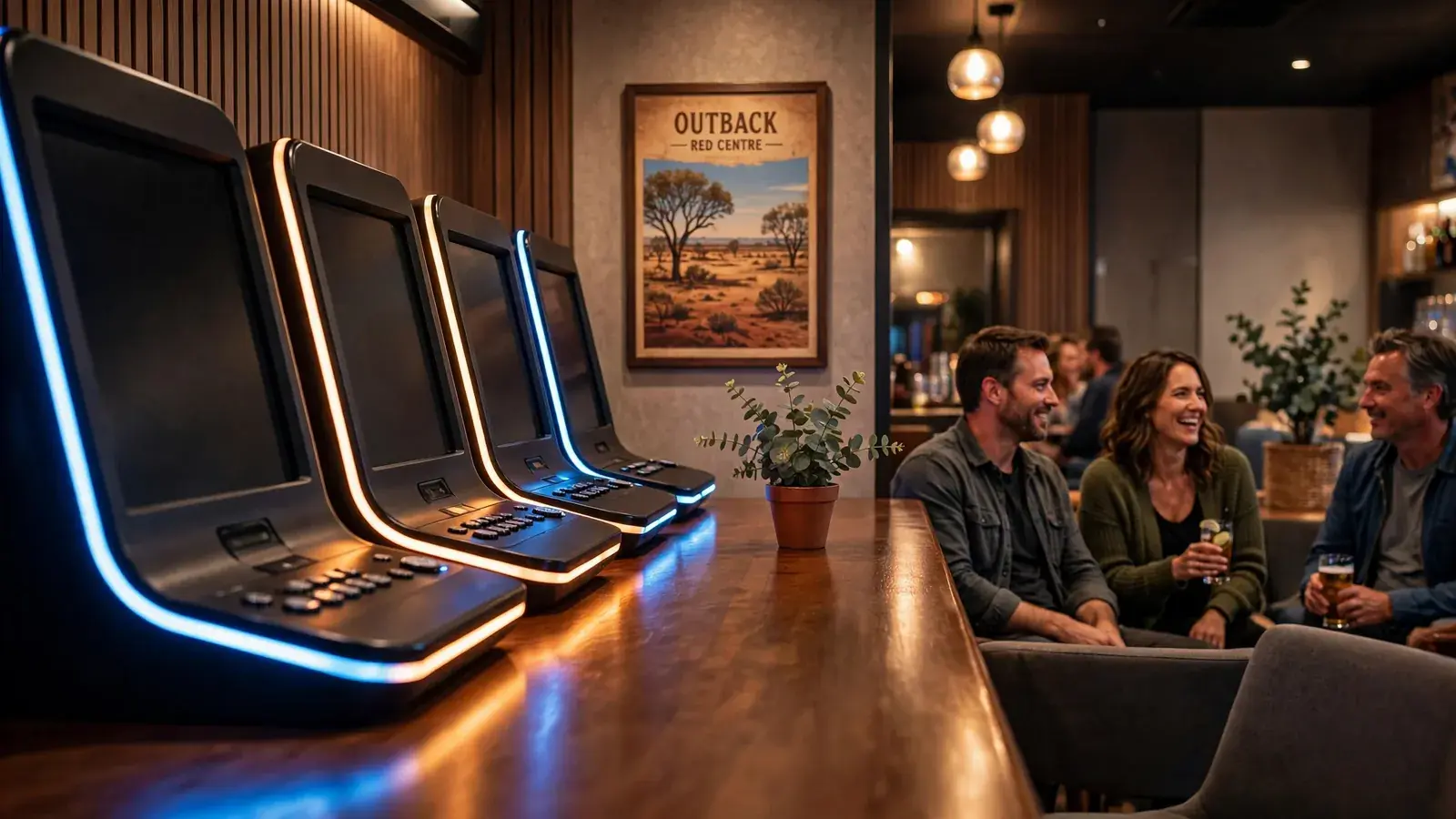
What “Best” Can—and Cannot—Mean for South Australian Pokies
“Best” can describe a game’s style, features or suitability for your preferences. It cannot reliably identify a pokie that will pay you more on your next visit. A machine’s past results do not tell you what its next spin will do, and a popular game is not necessarily a more rewarding one.
Every spin is an independent event determined by a Random Number Generator (RNG). In practical terms, the result of one spin does not make a particular result more or less likely on the next. A run of losses is not evidence that a win is due; a recent win does not mean another is unlikely. The machine’s display and its previous outcomes do not provide a dependable forecast.
That matters when you see claims about the best-paying pokies in South Australia. A list may sound like a ranking of machines by what they will pay, when it may instead reflect a reviewer’s preferences or the information available about a game. Unless the claim identifies what is being compared and on what basis, “best paying” is not a useful prediction about your session.
If you’re looking for online pokies options to consider from South Australia in 2026, use this list as a starting point and check the details that matter to you before choosing.
-
LuckyVibe
- License
- Curacao Gaming Control Board OGL/2023/176/0095 (Hollycorn N.V.)
LuckyVibe lists a Curaçao Gaming Control Board licence, OGL/2023/176/0095, held by Hollycorn N.V. This gives you a specific licensing detail to check when assessing the operator.
-
Lucky Dreams
- License
- Curacao
- Min. deposit
- A$20 (POLi)
Lucky Dreams lists a minimum deposit of A$20 via POLi, giving you a clear deposit threshold and payment method to consider. It also lists a Curaçao licence.
-
LevelUp Casino
- License
- Curacao eGaming OGL/2023/174/0082 (Dama N.V.)
- Min. deposit
- A$15
LevelUp Casino lists a minimum deposit of A$15 and a Curaçao eGaming licence, OGL/2023/174/0082, held by Dama N.V. These details can help you assess its fit.
-
Playfina Casino
- License
- Curacao eGaming (Hollycorn N.V., since 2017)
- Min. deposit
- A$20-30 (depends on the offer)
Playfina Casino lists a Curaçao eGaming licence held by Hollycorn N.V. since 2017. Its minimum deposit is A$20–30, depending on the offer.
-
SpinsUp
- License
- Curacao Gaming Control Board OGL/2023/174/0082 (Dama N.V.)
SpinsUp lists a Curaçao Gaming Control Board licence, OGL/2023/174/0082, held by Dama N.V. The licence is the main available detail to consider.
-
Vegaz Casino
- License
- Curacao OGL/2024/1335/0780
- Min. deposit
- EUR 20
Vegaz Casino lists a Curaçao licence, OGL/2024/1335/0780, and a minimum deposit of EUR 20. Check the deposit currency and amount against your preferences.
-
Bizzo Casino
- License
- Curacao Gaming Control Board (TechSolutions Group N.V.)
Bizzo Casino lists a Curaçao Gaming Control Board licence held by TechSolutions Group N.V. This licensing information is the available point to consider.
-
JustCasino
- License
- Curacao Gaming Control Board
JustCasino lists a Curaçao Gaming Control Board licence. This is the main available detail to check when considering the operator.
-
Kingmaker
- Payout speed
- crypto ~90 minutes, fiat 1-5 days
- Min. deposit
- A$30
Kingmaker lists a minimum deposit of A$30. Its stated payout timing is around 90 minutes for crypto and 1–5 days for fiat.
-
Roby Casino
- License
- Curacao eGaming (Roby Games Ltd)
Roby Casino lists a Curaçao eGaming licence held by Roby Games Ltd. The licence is the main available detail to consider.
What RTP tells you—and what it does not
RTP means return to player. It is a theoretical measure of the proportion of stakes a game is designed to return over a very large number of plays. It is not a promise that a player will receive that proportion back in a particular session, or that an individual will come out ahead.
There is another complication: a specialist review reports that some game providers allow casinos to choose from multiple RTP settings for the same pokie. If that applies to a particular game, its return percentage may differ between casinos even when the game has the same name and appearance. A comparison based only on the title therefore may not compare like with like.
The practical question is not simply “What is this game’s RTP?” but “Which setting applies to this version, and how has that figure been established?” If a venue or game description does not identify the setting, a figure found elsewhere may not describe the version in front of you. Treat an unsupported percentage as a claim to verify, not as a promise.
Even a clearly stated RTP has limits as a guide. It describes a theoretical return across extensive play, not the result you should expect from a short visit. It cannot tell you whether your next spin will win, how long a balance will last, or whether a particular player will recover earlier losses. The precision of a percentage can make an uncertain outcome look more predictable than it is.
Comparing games without pretending to predict them
When comparing pokies in South Australia, separate information about the game from claims about likely results. A title, theme or feature can help you decide whether a game interests you. A stated RTP setting may help you understand its theoretical design, provided the figure applies to that exact version. Neither establishes that it is the “best” choice for a particular player.
Be cautious with descriptions that turn a general game characteristic into a promise of returns. Words such as “hot”, “due” or “high paying” do not change the RNG or make a future result predictable. Nor does a story about someone else’s win establish what will happen on your next spin. A striking win is memorable; it is not a forecast.
This distinction applies whether you are considering a South Australia casino pokies venue or comparing descriptions of games elsewhere. The game name alone may not reveal its configured return setting, and a return figure alone cannot predict your personal outcome. If the information does not say which version it describes, the comparison has a gap.
For someone looking for the best pokies in South Australia, a more grounded meaning of “best” is a game whose rules and available information you can understand, and whose play fits the limits you have set for yourself. That is a personal choice, not an objectively superior machine. No ranking can remove the randomness of individual spins.
Do
- Distinguish stated facts from sales language
- Verify if a return figure applies to the exact version
- View money set aside as an entertainment cost
Don't
- Read past outcomes as clues to future wins
- Trust labels like "hot" or "due" to predict results
- Assume a popular game is objectively more rewarding
The useful standard is modest: distinguish stated facts about a game from sales language, check whether a return figure refers to the same configuration, and do not read past outcomes as clues to future ones. That will not identify a machine that pays best. It will help you avoid mistaking a confident label for evidence.
Checking Whether a Venue Is Open Before You Go
A venue’s advertised opening hours do not necessarily tell you when its pokies are available. A club, hotel or other venue may be open for meals, drinks or other services while its gaming area is closed, or while machines are not operating. If you are making a trip specifically to play, check both details rather than treating “open” as a complete answer.
This matters especially when you are planning an early or late visit. A listing that says a venue is open may refer to the premises as a whole, not to the hours of its gaming machines. The reverse can also matter: a venue may have gaming available during only part of its overall trading day. Confirm the machine operating hours with the venue before setting out, and ask whether those hours differ on the day you intend to visit.
Opening information can also become out of date. A venue’s own current notice or a direct call is more useful than an old directory entry, a map listing or a social post without a recent date. If you cannot reach the venue, look for a recent announcement from the venue itself and check that it refers to the gaming area, not simply the restaurant or bar. Do not assume that a late-night listing means pokies remain in operation until closing.
What “open now” should mean
When checking whether a South Australian venue is open now, separate three questions: whether the venue is trading, whether the gaming area is accessible, and whether its machines are operating. A brief confirmation of all three can prevent a wasted journey. If staff give a general answer about opening hours, ask specifically about pokies and the hours they can be used.
The distinction is useful even if you are not visiting immediately. A venue’s regular schedule may not apply on a public holiday, during a private function or after a change to its operating arrangements. Check the date and the specific location, particularly if information comes from a third-party listing that may cover several venues or services. Where a listing is unclear, treat it as a starting point, not confirmation.
There is no sound basis for inferring machine hours from the time a venue serves food, opens its doors or advertises entertainment. Nor does a venue being busy or staffed mean its gaming machines are available. The practical detail to confirm is the operating window for the machines themselves.
Staffing information is not an opening-hours listing
A separate point concerns oversight while machines are running. A report by regionriverina.com.au describes a requirement for venues with more than 20 gaming machines to have a dedicated responsible gambling officer (RGO) on duty while those machines are operating. The report says the change takes effect from 1 July and describes a one-month grace period for venues to remove signage and introduce RGOs.
Venues with more than 20 gaming machines are required to have a dedicated responsible gambling officer (RGO) on duty while machines are operating.
That information is about staffing and responsible-gambling arrangements, not a schedule of when any particular South Australian venue opens. It does not establish that a venue is open at a particular time, or that its machines will be running when you arrive. The sensible approach is to check the venue’s own current information for hours and treat the staffing report as a separate matter.
If you are visiting a larger venue, you can ask whether an RGO is on duty while its machines are operating. That is a specific question about the reported staffing requirement; it is not a substitute for confirming machine hours. A venue’s answer about its RGO also should not be taken as proof of its opening schedule.
Opening hours do not tell you a machine’s payout percentage
Opening times and payout percentage are different kinds of information. The first concerns when a venue or its machines operate. A payout percentage, often called return to player (RTP), describes a game’s theoretical return over a very large number of plays; it cannot tell you whether a venue is open or whether a machine is available during your visit.
A figure displayed in one place should not automatically be treated as applying to every version of a game. Some providers allow casinos to select from more than one RTP setting for a given pokie, so the same title can have different return settings at different venues. That is another reason not to infer anything about a game’s percentage from a venue’s hours, name or general description.
Even where an RTP is stated, it is a long-run theoretical measure, not a forecast for an individual session. It does not promise a particular result, and it does not make a machine more likely to be available at a particular time. For a practical visit, first confirm the operating hours; if you are comparing game information as well, treat that as a separate check.
A quick call can be more useful than trying to interpret a broad “open” label. Ask whether the venue is trading, whether the gaming area is open, and whether the pokies are operating during the period you plan to arrive. If the answer is uncertain, delay the trip until you can confirm rather than relying on a general listing. That small distinction—premises open versus machines operating—is the key one to settle before you go.
Pokies Near the Airport: Check the Trip, Not Just the Distance
A venue that looks close to an airport on a map may still be an awkward stop once you account for your route, luggage and onward transport. If you are looking for pokies near a South Australian airport, treat proximity as a starting point, not a reason to assume a visit will fit neatly into your plans. The location of a pin does not tell you how straightforward the trip will be.
Check the full journey from the airport to the venue and then to your next destination. A short-looking gap on a map may involve a road route that is less direct than expected, while a stop that seems convenient could take you away from where you need to go. If you are collecting a hire car, meeting someone or travelling on to another part of South Australia, consider those arrangements before deciding to add a visit.
- Review the full road route from the airport to the venue
- Confirm the venue's exact address and state
- Plan the transport for the return or onward leg
- Check if the venue's gaming area is actually open
Check the route, not just the map pin
For a practical check, look at the address and route details for the specific venue you have in mind. Confirm that the listing refers to the place you intend to visit, rather than a similarly named business or a result in another town. Search results and map listings can be incomplete or out of date, so do not treat a nearby label as proof that a venue is at the airport or within the airport itself.
The same care applies when you are already in the city or travelling through another area. “Near me” depends on your current location, and a result described as central may not be convenient for your actual route. If you are heading towards a central business district, travelling north, or visiting a regional town, assess the journey from where you will really start—not from a broad area name.
Some place names can also be ambiguous. A search that combines South Australia with a town name or a neighbouring state may return results that are not in the location you mean. Check the full address and state before setting off. A result appearing beside an airport or suburb name does not establish that it is inside that place, or that it is the closest suitable stop.
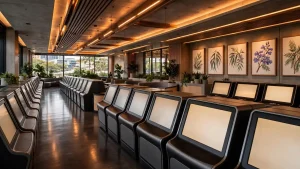
Build the visit around your travel plans
Think about what you will need to carry and where you need to be afterwards. If you have luggage, a connection or a fixed meeting point, a detour may be inconvenient even when the venue appears nearby. Consider how you will get back to the airport or continue your trip, rather than planning only the outward leg. A map can help you compare routes, but it cannot decide whether a stop is sensible for your schedule.
If you are unfamiliar with the area, keep your plans flexible. Verify the destination before leaving and make sure your transport arrangements cover the return or onward journey. Avoid relying on a vague description such as “by the airport” when you need an exact destination. The distinction between being near an airport and being within it matters when you are carrying bags or working to a travel schedule.
Gambling in Australia is restricted to people aged eighteen or over. That applies to pokies as well as other forms of gambling. If you are travelling with someone who is under eighteen, do not assume they can accompany you into a gaming area; check the venue’s conditions before making plans.
The useful question is not simply whether pokies appear near an airport, the CBD or another area on a map. It is whether the specific destination suits your route and travel arrangements. Verify the location, plan both legs of the journey and leave room for the possibility that a nearby result is less convenient than it first appears.
Gambling in Australia is strictly restricted to people aged eighteen or over; this includes all pokies venues.
Online Pokies and Deposits: Know the Legal and Payment Risks
Searching for online pokies from South Australia can bring up offers described as real-money play, no-deposit bonuses or high-limit games. Those labels do not change the legal position. Under the Interactive Gambling Act 2001, companies cannot provide real-money online pokies to people in Australia without a domestic licence. No such licences have been issued, so there is no Australian-licensed online casino.
The law targets the operators, not individual players. Australians are not criminally liable simply for playing on an offshore site that accepts them. That does not make the arrangement safe or give you the protections of a locally licensed service. If an offshore casino withholds winnings, Australian players have no legal recourse in Australia to compel payment. A bonus or a claim about the best-paying pokies cannot remove that risk.
Deposits can fail, and recovery may be difficult
Banks and card issuers may decline transactions to gambling sites. A specialist review has reported that Australian banks and credit card companies are increasingly blocking payments to known gambling merchants; this is a reported trend, not a guarantee about what your bank will do in a particular case. A payment going through would not establish that the operator is lawful, trustworthy or likely to pay out.
Before entering payment details, consider what happens if a deposit is accepted but a withdrawal is disputed. Offshore operators may be outside the practical reach of Australian complaint and enforcement processes. Check the operator’s terms and withdrawal conditions before sending money, but remember that reading them does not create an Australian route to recover funds.
Do not treat a no-deposit offer as cost-free. Offers can carry conditions, and the operator controls how its terms are applied. If you are asked to deposit, provide personal information or meet conditions to withdraw, weigh those demands against the lack of local recourse. Avoid providing payment or identity details if you cannot establish who is collecting them and how they will be used.
Check verification terms before any deposit
If an offshore site states that it requires identity and address documents before a first withdrawal, understand what it asks for before you deposit. Do not assume that an account opening or an accepted payment means your identity has been verified, or that a later withdrawal will be straightforward. Sharing sensitive documents with an offshore operator also carries its own privacy risk.
BetStop, Australia’s self-exclusion register, applies only to Australian-licensed operators; it does not bind offshore sites. It should not be relied on to block access to an offshore casino.
For someone in South Australia weighing online play against a physical venue, the central distinction is not the advertised bet size or bonus. Real-money online casino services are not licensed in Australia, and a payment method, promotional label or successful deposit does not change that.
What to Look for at a South Australian Pokies Venue
A venue’s appeal is not just a matter of its location or the games on offer. Before settling in, notice whether staff can explain how to get help if gambling stops feeling manageable, and whether the venue’s procedures are clear rather than hidden behind general statements about responsible play.
Responsible Gambling Officer Requirements
According to a report by regionriverina.com.au, venues with more than 20 machines must employ a dedicated RGO and maintain a gambling incident register to document behavior that may indicate gambling harm.
A report by regionriverina.com.au describes a requirement for venues with more than 20 gaming machines to have a dedicated responsible gambling officer (RGO) on duty while those machines are operating, with the change taking effect from 1 July. The report also describes a requirement for venues to keep a gambling incident register. Because these details come from a report rather than a current venue-by-venue directory, they are best treated as points to check with the venue, not as proof that any particular South Australian site has met its obligations.
The register is intended to capture incidents that may indicate a patron is at risk of, or experiencing, gambling harm. That makes it more than an administrative record: it gives the venue a way to document concerning behaviour and the response to it. If you want to understand how this works in practice, ask who is responsible for responding to a concern and how you can approach them discreetly.
Questions worth asking
A direct, practical conversation can tell you more than promotional language. You could ask:
- Is a responsible gambling officer on duty while the gaming machines are operating?
- How can a patron speak with that officer privately?
- What happens if staff are concerned that someone may be experiencing gambling harm?
- How can you take a break or leave the gaming area?
The answers should be understandable and specific. A staff member may not be able to discuss another patron or disclose details from an incident register; that is different from explaining the venue’s general process. You are looking for a clear route to support, not private information about other people.
Pay attention to how staff respond. If they can explain where to seek help and how to raise a concern without making you feel pressured to continue playing, that is useful information about the venue’s approach. If the answer is vague, or you feel uncomfortable asking, you can choose not to play there. No venue’s reputation or presentation removes your ability to walk away.
These checks do not identify a “best” pokies venue, and they cannot tell you how a machine will perform. They help you assess whether the venue makes its support arrangements understandable and accessible. For a visit to a South Australian pokies venue, that is a more meaningful measure of the environment than confident claims about the machines themselves.

Crown Searches and the Difference Between a Venue and an Online Casino
A reference to Crown in connection with South Australian pokies does not, by itself, establish that a Crown venue or a particular pokie is located in South Australia. A venue name, a gaming floor and an online casino are different things; check the location and the nature of the service before treating them as interchangeable.
A physical venue offers gambling on its premises. An online casino offers casino-style games over the internet. The distinction matters because Australia has no locally licensed online casino. Under the Interactive Gambling Act 2001, the Australian Communications and Media Authority (ACMA) oversees enforcement of the rules on interactive gambling services. A website using a familiar casino name is not thereby an Australian-licensed online casino.
That also means a Crown-branded page or app should not be assumed to be a lawful local route to online pokies. The name alone does not establish who operates a service, where it is based or whether it is authorised to offer real-money casino games to people in Australia. Treat claims about online access separately from information about an in-person venue.
No Local Licence
There are no Australian-licensed online casinos; using offshore sites means you have no legal recourse in Australia if winnings are withheld.
If you are considering a visit, confirm the venue’s address and that it actually offers the kind of gambling you have in mind. Do not infer that a South Australian venue exists from a broad reference to Crown or from a page that discusses Crown elsewhere. A “pokies room” is a physical gaming area; it is not evidence of an online service or a guarantee about what games are available.
Questions about the maximum cash payout need the same care. A general phrase about a maximum does not establish a single payout figure for every pokie or venue in South Australia. Check the terms that apply to the particular machine and venue rather than relying on a figure detached from its context.
Keeping these categories separate makes it easier to assess what a listing actually describes: an address you could visit, or an internet service. The first should be checked as a venue; the second should not be mistaken for an Australian-licensed online casino.
CBD Clubs and Gaming-Machine Safety Measures
A club in Adelaide’s CBD may be convenient to reach, but its location does not tell you what safeguards are in place. Rather than treating a venue as “best” because of its address or atmosphere, pay attention to the procedures that can help you pause, set boundaries or step away.
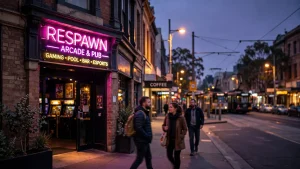
Responsible-gambling tools include deposit limits, loss limits and session time limits. These let you set a boundary around how much you put in, how much you are prepared to lose, or how long you spend playing. Self-exclusion is another option: it allows you to ask not to be admitted to, or to use, a gambling venue for a period you choose under the applicable scheme. Ask venue staff how to access these measures and what they cover before you need them.
If you are considering self-exclusion from pokies in South Australia, clarify whether the arrangement applies to one venue or more than one, how it takes effect, and what you must do to end or change it. Do not assume that a conversation with a staff member automatically creates a formal exclusion. For online services, BetStop applies only to Australian-licensed operators; it does not bind offshore sites. That distinction matters if you are trying to exclude yourself across different forms of gambling.
The physical setting matters too. Restrictions on gambling-related signs are intended to avoid directing patrons towards gambling facilities from sensitive points in a venue. Signs pointing to gaming lounges should not be in sight of ATMs or EFTPOS terminals, and signs pointing to ATMs should not be in view of gaming machines. If a sign appears to encourage a detour from a cash point to the machines, it is reasonable to ask staff about it rather than treating it as neutral wayfinding.
A report by regionriverina.com.au describes venues being required to keep a gambling incident register. It records occurrences such as a patron showing behaviour that may indicate gambling harm. That process is not a diagnosis, and a visitor need not wait for staff to raise a concern before asking for help or using a limit or exclusion option.
When comparing CBD clubs, focus on whether safeguards are clear and accessible, not on claims about a machine or a venue being a sure choice. If you feel unable to stop, stepping away and asking staff about support options is more useful than trying to recover losses.
Cashless Payments: PayID Is Not a Venue or Licensing Guarantee
PayID and cashless pokies describe different things. PayID is a way to address a bank transfer: instead of entering account details, you can send money using an email address, mobile number or Australian Business Number (ABN). It operates as an alias layer on the New Payments Platform (NPP), which carries the transfer.
That does not make PayID a cashless system for a physical pokies venue. A bank transfer to an online service and a venue’s arrangements for paying, loading or using funds are separate matters. The presence of PayID as a payment option tells you nothing about whether a local venue’s pokies use cashless payments.
Nor does PayID establish that an online gambling site is licensed, fair or transparent about its games. Australia has no licensed online casino, and providing real-money online casino games to people in Australia is prohibited under the Interactive Gambling Act 2001. A payment method is not a substitute for checking what kind of service is taking your money.
For online real-money play, PayID must first be linked to a bank account. The transfer mechanism may be familiar and supported by major banks, but that does not change the legal status of the gambling service receiving a payment. It also does not guarantee that a site will handle funds or disputes in your interests.
If you are asking about cashless pokies in South Australia, keep the two questions distinct: whether a venue uses a cashless arrangement, and whether an online service offers PayID. One does not answer the other. Avoid assuming that a payment logo is evidence of local approval or oversight; it only identifies a way to initiate a transfer.

South Australian Pokies: Random Outcomes and Responsible Play
A pokie’s next result is not a response to what happened on earlier spins. Each spin is an independent random event generated by a Random Number Generator (RNG). A run of wins or losses does not make a particular outcome due, and increasing a stake cannot change the random process behind the next spin.
That distinction matters when you are deciding what you can control. You cannot set or predict the result of a spin; you can decide whether to play, how much you are prepared to spend and when to stop. Treat any money set aside for pokies as an entertainment cost, not as money you expect to recover or grow.
Responsible-gambling tools can help turn those decisions into boundaries. A deposit limit caps how much you put into play over a chosen period. A loss limit sets a ceiling on what you are prepared to lose, while a session time limit can prompt you to leave when your planned playing time is over. Self-exclusion is a stronger option if you want to prevent yourself from accessing gambling for a period or longer.
Choose limits before you begin, while you are not reacting to wins or losses. If you reach one, do not try to undo it by continuing to play or by moving the boundary. The point is to make the decision in advance, when it is easier to stick to.
These measures do not improve the odds or make pokies predictable. They are ways to manage your own spending and time in South Australia, where the outcome of each spin remains uncertain. If playing stops feeling manageable, stepping away and using self-exclusion are valid choices; you do not need to wait for a particular loss or incident to take a break.
How do I know if an online casino is safe to play at?
There is no Australian-licensed online casino, and if an offshore casino refuses to pay you, you have no legal recourse in Australia. Treat that lack of protection as a significant risk when deciding whether to play.
Can casinos change the RTP of their games?
Yes. Some game providers let casinos choose between different RTP settings for the same pokie, so check which setting applies to the version you are playing.
Are online pokies legal for Australian players?
Yes, Australians can legally play on offshore sites that accept them, but companies cannot legally offer real-money online pokies to Australian residents without a domestic licence, and none have been issued. Players have no legal recourse in Australia if an offshore casino refuses to pay.
What is the legal age for online gambling in Australia?
You must be at least 18 years old to gamble online in Australia.
What is the best payment method for fast withdrawals in Australia?
E-wallets such as Skrill and Neteller are popular for their speed, though the available withdrawal options depend on the casino.